Alpine Floors Ltd
Flooring After Care
To keep your new flooring looking its best, we recommend regular sweeping/vacuuming and mopping with a flooring safe cleaner. Avoid harsh chemicals, abrasive cleaners, and excessive water, and protect furniture legs with felt pads. Below is a step by step guide to help you maintain your new flooring for years to come. Should you require warranty repairs or have issues, please contact us here to book a consultation.
Here's a more detailed step-by-step guide:
1. Daily or Regular Maintenance:
-
Sweep or Vacuum: Regularly remove dirt and debris, especially from high-traffic areas. Small pebbles and crumbs can become logged under objects and damage the floorings surface.
-
Spot Clean Spills: Clean up spills immediately with a damp cloth or paper towel to prevent staining.
-
Avoid Abrasives: Do not use abrasive cleaners, steel wool, or harsh chemicals that can damage the floor's surface. Avoid Bleach.
2. Deep Cleaning (if needed):
-
Prepare: Sweep or vacuum thoroughly to remove loose dirt and debris.
-
Choose a Cleaner: Use a pH-neutral, floor-safe cleaner, and follow the product instructions. See recommended brands below.
-
Damp Mop: Damp mop with a microfiber mop, avoiding excessive water. To much water can damage not only your flooring, voiding your warranty, but can damage baseboards and other porous surfaces.
-
Rinse (only if necessary): If your cleaner requires rinsing, use a clean, damp mop to remove any residue. Read product instructions for more information.
-
Dry (optional): Dry the floor with a clean, dry cloth or mop head to prevent water spots on hardwood.
3. Protection:
-
Furniture Pads: Use felt or rubber pads on the bottom of furniture legs to prevent scratches.
-
Area Rugs: Place area rugs in high-traffic areas and at entryways to minimize dirt and debris. Use Rug Pads between area rugs and flooring for best protection as carpet backing will scratch or scuff flooring.
-
Avoid Dragging: When moving furniture, lift it or use furniture sliders to avoid scratching the floor.
-
Avoid Direct Sunlight: Prolonged exposure to direct sunlight can cause fading and discoloration.
4. Tips/Tricks:
-
Avoid Steam Mops: Steam mops can damage vinyl plank and hardwood flooring, voiding your warranty.
-
Avoid Wax: Do not use wax on vinyl plank flooring, as it can create a sticky residue.
-
For stubborn stains: Use a specialized vinyl floor cleaner or a diluted solution of rubbing alcohol.
-
Check with manufacturer: When in doubt, always refer to your flooring manufacturer's specific cleaning instructions.
-
Floor cleaners should be PH Balanced in order to avoid damaging the finish.
-
DO NOT Soak the mop head and apply it to the floor, you will not only damage the flooring but your baseboards as well.
-
Apple cider or even white vinegar is a natural, affordable, cleaner for vinyl plank flooring. To create your cleaning solution, mix one cup of vinegar with a gallon of very warm water. Add a single drop of dawn dish soap or essential oils if desired.
Cleaning products we recommend:

Bona Hard-Surface Floor Cleaner
-
Ready to Use, no diluting required.
-
Dries quickly
-
Safe for pets, kids
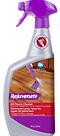
Rejuvenate Luxury Vinyl Floor Cleaner
-
Ready to Use, no diluting required.
-
Restores shine
-
No Residue

Zep Neutral pH Floor Cleaner
-
Ready to Use, no diluting required.
-
Restores shine
-
No Residue


Alpine Floors Ltd Brand All-Purpose Cleaner
-
Non-toxic for everyone, including the environment!
-
Handmade locally
-
Available in a Ready to Use Spray bottle or Bulk concentrated formula to dilute with your mop bucket